How to Kill Mosquitoes

Want to learn how to kill mosquitoes? So in this post you’ll discover 15 easy ways to kill Mosquitoes effectively.

[ad1]

Mosquitoes are tiny pests that are very undesired among most of us. The reason for that is in their annoying habit of sucking blood for the purpose of their procreation.

Even though they are small in size, these insects can make you feel extremely itchy and make your skin swell. Luckily, there is a wide variety of solutions on how to kill mosquitoes.

Some of the methods, such as preparing coffee grounds, will help you get rid of mosquito larvae. Other techniques, such as various mosquito traps, will help you catch and kill grown mosquitoes.

Check this: Top 5 Products That Kill Mosquitoes Effectively

As these creatures suck your blood, they release anticoagulant in it, preventing the wound from drying and sealing.

Our bodies’ natural reaction to this is to release histamine. Sometimes, too much of this chemical is released which causes our skin to swell after the bite.

While bites can last for days and cause great discomfort, they are not the only thing to worry about. Mosquitoes may carry dangerous diseases and infect you during the blood-sucking process.

What You Should Know About Mosquitoes

[ad2]

The more you know about these insects, the better you can eliminate them. Here are some facts about mosquitoes and their habits!

  • Technically speaking, mosquitoes don’t really bite you. They pierce your skin and suck your blood.
  • Only female mosquitoes suck blood. They have no evil intentions – they require human or animal blood for laying their eggs.
  • Mosquitoes can carry diseases such as malaria; however, most of them will only leave a red mark on your skin after they’re done sucking your blood.

Read more: 15 Ways to Get Rid of Fire Ants

How to Kill Mosquitoes Using Home Remedies

Mosquitoes are small and nasty insects capable of causing a lot of harm.

While they have no evil intentions, they may transfer various diseases as they suck our blood. Due to the reaction in our bodies, this process also causes the surrounding area to swell up and become very itchy.

When it comes to killing mosquitoes, home remedies play a huge part.

You can do a lot to prevent mosquitoes from drinking your blood and even kill them without purchasing chemical products.

Below are some of the best methods on how to kill mosquitoes naturally using everyday household products.

1. Coffee Grounds

[ad3]

Let’s start with one of the best solutions on how to kill mosquitoes larvae. Coffee grounds present an effective and easy to perform home remedy.

When this ingredient is added to stagnant water where the larvae can be found, it forces them to swim up to the surface. There, they run out of oxygen and die almost immediately.

  • Prepare a cup of coffee grounds and pour it into a rain barrel or any other stagnant water source around your house. If you wait patiently, you will soon see mosquito larvae surfacing as they struggle to get away from the coffee.
  • You can repel mosquitoes by burning some coffee grounds. The smoke it will produce will keep these small creatures at bay.

Read more: 22 Ways to Get Rid of Gnats

2. Pinion Wood

If you are wondering how to get rid of mosquitoes in the yard, you are going to love this solution. May you intend to have an outdoor party or simply want to spend some time outside the walls, you will probably want to enjoy the time in peace.

Burning pinion wood produces smoke that kills mosquitoes and prevents them from entering the house as well. If you get some pinion wood and burn it evenly around the house, you should have a mosquito-free area for some time.

Caution: Do not burn wood inside the house. Also, make sure that other items around the burning woods won’t be able to catch on fire.

3. Camphor

[ad3]

Camphor, originating from Cinnamonum camphora tree, is a flammable waxy substance that can help you get rid of mosquitoes effectively. It may not kill off all mosquitoes in the house, but at least it will help you force them away.

  1. Get some camphor leaves or camphor balls and put them in a bowl.
  2. Slightly crush the balls to increase their efficiency.
  3. Light them up and let them burn for around 30 minutes.

Note: Make sure that you place camphor away from the reach of pets or kids. Camphor as such should not be ingested.

4. Garlic

Garlic offers a working and cost-efficient method on how to kill mosquitoes in your house. As it is also rich in larvicidal properties, garlic is also one of the best home remedies on how to kill mosquitoes in water.

  • Peel some garlic cloves and crush them. Proceed to boil the crushed cloves in water for around 10 minutes. Pour this homemade pesticide in stagnant waters around the house.
  • Alternatively, prepare the garlic solution as described above. Pour this solution into a spray bottle and spray it around the house to prevent mosquitoes from entering your premises. You can also use it directly on mosquitoes to kill them instantly.

Read more: What Kills Cockroaches Instantly?

5. Mosquito Trap

Making a mosquito trap is one of the top ways on how to kill mosquitoes from yard.

You can buy already made traps, but you can also make them yourself if you have some time on your hands. In order to prepare a mosquito trap, you will need a plastic bottle, brown sugar, yeast, and some hot water.

  1. Cut the plastic bottle in half.
  2. Add a few tablespoons of brown sugar in 1 cup of hot water. Mix well and wait for the sugar to dissolve.
  3. Pour the solution in the bottom of the plastic bottle and add yeast.
  4. Place the funnel side of the bottle upside down in the bottom of the plastic bottle.
  5. Wrap the bottle with a black tape while keeping the top opened.
  6. Place the bottle in an area prone to mosquitoes. You are advised to create multiple traps and place them near windows and doors to kill mosquitoes before they get the chance to enter your home.
  7. Change the solution used in trap every 14 days.

Read more: 20 Effective Ways to Kill Termites

6. Dry Ice

How to Kill Mosquitoes: Using Dry Ice

Dry Ice trap is a great technique that requires some time but works well when you have to deal with multiple mosquitoes at once.

As we breathe, we exhale a lot of carbon dioxide which attracts the mosquitoes. Dry ice emits even more, so it makes a great lure for the mosquitoes.

  • Place some dry ice in a plastic container in a safe location.
  • Wait for the mosquitoes to gather around the container.
  • Kill them using other techniques or trap them in the container using a lid.

7. Lavender Oil and Tea Tree Oil

How to Kill Mosquitoes: Lavender Oil and Tea Tree Oil

Essential oils, in general, have been proven to be very efficient at keeping mosquitoes away.

They may not be able to kill them, but they can be used as a prevention method. Besides that, the application of essential oils at your home has numerous benefits that should be considered.

  • Lavender oil and tea tree oil are especially effective at getting rid of mosquitoes. You can dilute some oil with water and pour it in a spray bottle. Use the bottle to spray the oil around your home.
  • Alternatively, you can also use essential oil dispensers to distribute the oils throughout the house. This will provide your body with other benefits as well.

If you wish to use lavender oil or tea tree oil directly on your body, you can do so but first, dilute it with water. You can then spread it over yourself to keep the mosquitoes away.

This can be especially useful when you’re going out in areas rich with water sources and inhabited by mosquitoes.

8. Dish Soap

A remedy easy to perform but quite effective at killing mosquitoes is dish soap.

Simply, mix some dish soap with water and pour it in a spray bottle. Spray the mosquitoes with this solution to kill them fast without polluting the air in your house.

It is recommended to use lemon-scented liquid detergent to kill these annoying creatures and other insects that may be present in your house.

9. Cedar Oil

How to Kill Mosquitoes: Cedar Oil

Cedar oil presents a non-toxic and natural solution on how to kill mosquitoes inside the house. It is also safe to use around pets and humans.

It is effective at killing most insects, including mosquitoes, ticks, and fleas. Luckily, it does not harm the beneficial ones such as butterflies and bees.

  • Purchase cedar essential oil and dilute it with water. Pour the solution into an empty spray bottle so you can directly use it mosquitoes and kill them on sight. You can also use the solution on yourself to repel the mosquitoes away from you.
  • Alternatively, you can use cedar oil solution on your yard. Spray it around to prevent the mosquitoes from hanging out near your house. Cedar oil is safe to use on plants as well.

10. Citronella Oil

How to Kill Mosquitoes: Citronella Oil

Citronella oil is another essential oil that is effective at repelling as well as killing mosquitoes. It is extracted from citronella grass and is used by many people as an alternative to chemical agents.

You can use citronella oil in an essential oil diffuser or dilute it with water and keep it in a spray bottle. Use the oil at your home to prevent the mosquitoes from entering.

You can also use it as a solution on how to kill mosquitoes in rooms, by trapping a mosquito in a room with diffused citronella oil.

11. Cinnamon

[ad4]

Cinnamon treatment is also one of the best ways on how to kill mosquitoes in yard and stagnant waters.

It makes a great addition to almost any dessert and is also very beneficial to human health. Mosquitoes, however, are not so lucky.

Cinnamon presents a natural way to kill mosquito larvae, so it is very effective when used in stagnant waters around your yard.

  1. Buy cinnamon oil, as it is more concentrated than the cinnamon alone.
  2. Add cinnamon oil to stagnant water. The ratio between cinnamon oil and stagnant water should be around 15%:85%.
  3. Wait for larvae to die. Normally, it takes around 6 hours if the above concentration is considered.

Alternatively, you can use cinnamon oil as a part of a body lotion to prevent mosquitoes from biting you. Don’t use cinnamon oil alone. Mix it with your body lotion in ratio 1:20.

12. Over-the-counter Mosquito Killer Products

In case home remedies on how to kill mosquitoes in the house are not effective, there are many products out there that can help you solve your mosquito problem. Also, you can hunt down the mosquitoes yourself with some of the tips provided below.

If you are tired of trying to bring other methods to life and want immediate results, you may want to consider trying out over-the-counter products. These mosquito killers will provide you with a solution on how to kill mosquitoes indoors and how to kill mosquitoes outside of the house.

Here is a list of some of the most popular mosquito-killing products that you can try:

Carefully read the instructions before using any of the products mentioned above.

Different types of mosquito killers work differently, each with their own advantages and disadvantages. Find out what will work best in your area of application.

You can also check out the reviews of other people to see how the product worked out for them.

How to Kill A Few Mosquitoes

[ad5]

If you’re still wondering how to kill mosquitoes in your home, it’s time to get your palms ready.

Mosquitoes are tiny and easy to kill if you give them a good smack. Even though they are hard to spot, they can be quite easy to hunt down because they don’t move very fast.

Here are some of the best tips that will help you kill mosquitoes with your own hands:

1. Turn On a Flashlight

Mosquitoes are attracted to lights.

If you turn them on while your windows are open, they will quickly find their way inside. However, if a mosquito is already inside your room, you can turn the light into its disadvantage.

Close all windows and the door, and turn off all the lights. Then, use a flashlight to lure the mosquito to your location.

Be ready to hit it as soon as you see it.

2. Use Vacuum Cleaner or Bug Zapping Racket

Mosquitoes are very light and they can easily be sucked in by the vacuum cleaner.

Once you spot it, follow it with the hose of your vacuum cleaner. Once it is sucked in, it will probably die right away. If you are worried about it escaping, go empty the bag outside of the house.

Alternatively, you can also buy a bug zapping racket and use it to hunt mosquitoes. Run the racket through the air and as it comes in contact with the mosquito it will give it a nice shock.

3. Wait for Them to Land

Mosquitoes do not fly for very long, so you can easily wait for them to land before you attack. Check for it around the room, especially around the curtains, as they like to hide there.

Once they land, give them a good smack. An easy way to do that is by using a rolled up magazine.

How to Prevent Mosquitoes and Mosquito Bites

Preventing mosquitoes in and around your home will reduce the need for killing them. Even though you may believe there is not much you can do, there is, and here are some tips that can help you.

  • Avoid stagnant water around the house. Stagnant water is one of the ideal breeding grounds for mosquitoes. Even something small like a bottle cap can be enough for them to start breeding in.
  • Make use of natural mosquito repellents. Some plants are capable of releasing defensive chemicals upon getting harmed that keep the mosquitoes away. Pick the right plants for your location and plant them around your home.
  • Apply repellent. While repellents aren’t a long-term solution, they can help you protect yourself for a certain amount of time.
  • Wear clothes that cover your legs and arms. Additionally, it is also suggested to cover your feet.
  • Keep the doors closed.
  • Avoid staying outside without proper mosquito repellents in place.
  • Place mosquito nets over the windows, doors, or bed.

Over-the-counter Mosquito Repellents

Preventing mosquitoes is sometimes necessary, especially when you want to hangout outside without being annoyed. Slaying all mosquitoes may not be the best solution most of the times.

Here are some of the top mosquito repellents that you can find on Amazon:

Make sure that you purchase repellents based on the area of use and application.

Some repellents are used directly on the skin, some are applied on clothes, and some are used to spray to the surrounding area. Carefully read the instructions before using these products as they may contain dangerous chemicals.

How to Treat Mosquito Bites

[ad6]

Almost all of us have to experience the unpleasant mosquito bites every now and then. If you get bitten, the only thing that will matter to you is to get rid of the itching and burning sensation immediately.

Sometimes, the symptoms accompanying mosquito bites last for days and can turn your summer vacation into a nightmare. Here are some helpful ideas on what you can do to take care of mosquito bites.

1. Honey

As a natural antiseptic and anti-inflammatory agent, honey can treat the effects of mosquito bites effectively.

Apply some raw honey over the bite and let it dry naturally before washing it off. You are also suggested to apply honey on areas that you have scratched due to the itchiness of the bite.

2. Aloe Vera

Aloe Vera is a highly beneficial plant that we can find in many households.

It can treat various skin conditions, including mosquito bites. It is rich in anti-inflammatory properties that prevent the bites from inflammation. Aloe Vera also contains soothing properties which contribute to pain relief.

It is always best to use fresh Aloe Vera gel. You can extract the gel directly from the leaf of the plant by cutting into a leaf and squeezing the gel out.

3. Oatmeal

One of the top remedies for treating mosquito bites is also the one that may end up in your bowl. Oatmeal contains compounds capable of reducing the itching and swelling associated with mosquito bites.

To apply oatmeal, mix it with an equal amount of water or milk to create a paste. Proceed to apply it on the bites and let it dry naturally before rinsing with cool water.

Conclusion

When it comes to mosquitoes, one can do a lot to prevent them from ever coming inside the home.

There are various natural and chemical agents that repel these pests. The techniques for destroying mosquito larvae are also very popular as they aim to kill mosquitoes before they grow.

Luckily, there are many proven home remedies for killing mosquitoes if they make it inside your home. Some of them are based on trapping them while others kill them instantly.

For those with a desire for immediate output, there are also many commercial products available on the market that has been proven useful as well.

If a mosquito manages to bite you, make sure that you to treat the area right away. Some of the best homemade remedies for treating mosquito bites include honey, Aloe Vera, and oatmeal.

With all of the solutions on how to kill mosquitoes that you have discovered during this article, you can now enjoy your party or sleep without buzzing sounds and itchy bites disturbing you!

Enjoyed Top 15 Easy Ways to Get Rid of Mosquitoes? Share it with your friends so they too can learn how to kill mosquitoes

15 Easy Ways You Can Do Today to Kill Mosquitoes Effectively

Top 10 Natural Mosquito Repellents

Want to get rid of mosquitoes naturally? In this post you’ll discover the top 10 natural mosquito repellents to keep mosquitoes away.

[ad1]

Have you ever looked at the ingredients on conventional mosquito repellent products?

Many of them include chemicals like DEET that could have health and safety risks. But are there natural mosquito repellents that work as well as those with DEET in them?

Absolutely yes, and some are even more effective.

Check this: Top 5 Products That Kill Mosquitoes Effectively

There are all kinds of natural substances and alternative products that you can safely use to keep mosquitoes away. Take your pick and start enjoying your time outdoors without the fear of mosquito bites!

1. Citronella

Citronella is a plant that is claimed to repel mosquitoes. However, many “citronella” plants marketed as natural mosquito repellent plants are labelled pelargonium citrosum or citrosa geranium and are not actually citronella—or effective repellents.

True citronella is a grass, so if you’re looking to keep mosquitoes away pass on the leafy varieties. Look for citronella winterianus or cybopogon nardus instead.

For a natural mosquito repellent essential oils are easiest since citronella essential oil is almost always made from citronella grass. There’s no need to worry about choosing the wrong plant and you can apply it right to your skin.

  • For skin: Mix 3 to 5 drops in coconut oil or moisturizer and apply it to your skin. Reapply every hour for best results.
  • For yards: Plant citronella grass around your patio or in a large planter that you can keep on your deck. The plants will only repel mosquitoes within several feet so be sure to plant them close by.

Read more: 31 Simple Ways to Get Rid of Flies

2. Lavender

[ad2]

Another plant, lavender is a fragrant natural mosquito repellent that is easy and safe to use. It requires little care and has beautiful purple flowers when it blossoms.

The scent of lavender is strong enough to interfere with mosquitoes’ ability to smell. If they can’t smell you, they won’t be interested in you and will buzz off.

Lavender essential oil is another way to take advantage of the plant. The key compounds from the plant are present in it and it is safe to use on your skin.

  • For skin: Add 15 drops of lavender essential oil and 1 cup of water to a spray bottle and shake to mix. Spray your skin and rub the liquid in.
  • For yards: Plant lavender in your gardens or in planters to keep near sitting areas. Space them out to ensure wider coverage.

Read more: 25 Easy Ways to Get Rid of Sugar Ants

3. Neem Oil

Top 10 Natural Mosquito Repellents: Neem Oil

Neem essential oil is a popular option for use as a natural insecticide and is effective at keeping away mosquitoes.

In fact, the US National Research Council found that neem oil is more effective than DEET. Scientists at the Malaria Institute in India conducted further research and confirmed the findings.

Because of its remarkable efficacy, it’s a popular ingredient in natural mosquito repellent DIY recipes. It’s non-toxic, plant-based, and safe to wear on your skin.

  • For skin: Mix 10 drops of neem essential oil in about a quarter cup of coconut oil or moisturizer. Apply to skin to protect against mosquitoes for up to 12 hours.
  • For yards: Put 40 drops of neem oil and 1 cup of water in a spray bottle and shake to mix. Spray around your patio, deck, or garden. It won’t damage your plants but can kill bees so avoid plants that you’ve noticed bees frequent.

Read more: Top 9 Ways to Get Rid of German Roaches

4. Black Pepper

[ad3]

Black pepper is a highly effective natural mosquito repellent thanks to a compound called piperine. It’s so effective that big businesses that formulate bug sprays have taken notice.

Many European companies are now using a synthetic chemical called picaridin in their products which is derived from piperine. It keeps mosquitoes away up to four times longer than DEET, but is also usually mixed with some questionable ingredients.

Luckily, you can get the repellent effect of piperine without any synthetic additives by using black pepper essential oil. It’s another safe natural mosquito repellent for skin that will help prevent bites.

  • For skin: Add 3 to 5 drops of black pepper oil to moisturizer or coconut oil and apply to skin. Reapply every 2 to 3 hours as needed.
  • For yards: Mix 10 drops of black pepper oil in a liquid carrier oil and dip long pieces of string in it. Place these strings anywhere outside that you’d like to keep mosquito-free.

Read more: 22 Simple Ways to Get Rid of Gnats

5. Lemon Eucalyptus Oil

Top 10 Natural Mosquito Repellents: Lemon Eucalyptus Oil

This essential oil has been a popular natural mosquito repellent since at least the 1940s. These days it’s commonly seen in DEET-free mosquito sprays because of its established efficacy.

But you can get a bottle of just the oil and use it in your own DIY sprays and creams. You only need a little at a time so a small bottle will go a long way.

Lemon eucalyptus oil contains some of the same compounds as citronella and works in a similar way. However, some research has found that lemon eucalyptus oil is more effective and longer lasting.

In one study, a mixture containing 32% lemon eucalyptus oil gave over 95% protection from mosquitoes for 3 hours. This concentration is quite high but a more diluted version will still offer impressive results.

For skin: Add 20 drops lemon eucalyptus essential oil and ¼ cup of water to a small spray bottle. Shake to combine thoroughly and then spray directly on skin. Reapply every 2 to 3 hours.

DIY Essential Oils Spray

Top 10 Natural Mosquito Repellents: DIY Essential Oils Spray

Each essential oil mentioned above can be used alone but combining them is even better! Try this natural mosquito repellent recipe to take advantage of multiple essential oils at once.

If you don’t have one or more of the oils, just leave that oil out. You can add a few extra drops of one of the others.

Ingredients

  • ½ cup witch hazel
  • ½ cup apple cider vinegar
  • 2 tsp rubbing alcohol
  • 25 drops citronella essential oil
  • 25 drops geranium essential oil
  • 10 drops lavender essential oil
  • 10 drops neem essential oil
  • 10 drops black pepper essential oil
  • 10 drops lemon eucalyptus essential oil

Directions

  1. Put rubbing alcohol and witch hazel in a spray bottle and add the essential oil drops. Shake well.
  2. Add water. Shake again to mix all ingredients thoroughly.
  3. Spray onto skin and reapply every few hours as needed. Remember to shake again before each application.

Read more: What Kills Termites Naturally and Fast

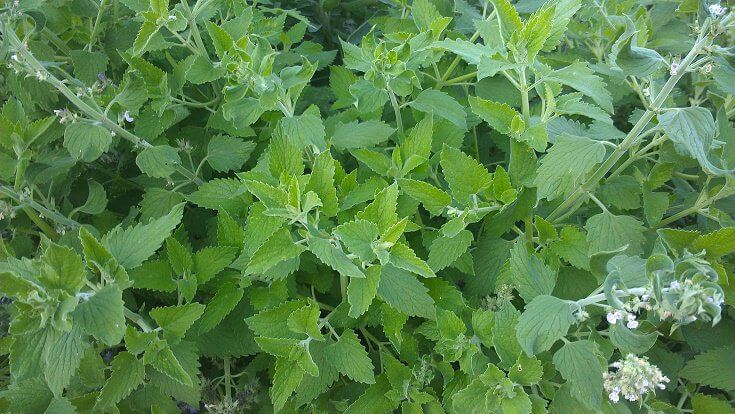
6. Catnip

Top 10 Natural Mosquito Repellents: Catnip

There are more natural mosquito repellent plants than just citronella grass and catnip is one of the most effective. Research has found that the nepetalactone found in catnip is 10 times more effective than DEET.

Catnip can be grown in sun or partial shade. It grows up to 3 feet tall and 3 feet wide so it needs ample space.

Plant the herb in suitable areas where you’d like to keep mosquitoes at bay. It can become quite invasive so you may prefer to grow catnip in a planter instead of the garden.

As a natural mosquito repellent, catnip will keep bugs away but it may attract neighborhood cats. If you don’t want them in it, wrap chicken wire around it or surround it with another type of barrier.

7. Marigolds

Top 10 Natural Mosquito Repellents: Marigolds

If you prefer flowering plants to grasses, marigolds might be the choice for you. These vibrant little flowers look great in the garden and will chase away mosquitos.

Marigolds are annual plants so you have to plant them each year. They should be planted in full sunlight or areas that get sun for most of the day.

The distinct scent of marigolds is what keeps mosquitoes away. Some people don’t particularly like the smell, but if you don’t mind it it’s handy as a bug repellent.

Plant the flowers around your yard and sitting areas. You can also put them in small pots near doors and windows to deter them from sneaking into your home.

8. Badger Anti-Bug Balm

[ad4]

Now we’re getting into the pre-made products. These are great because they’re already tested out, packaged, and ready to use.

Many parents feel uneasy about using DIY mixes for their little ones and that’s understandable. Their skin can be very sensitive and might react differently from more mature skin.

If you’re looking for a natural mosquito repellent for babies, try Badger Anti-Bug Balm. It’s safe for babies and toddlers and suitable for mom and dad, too.

Badger Anti-Bug Balm comes in tins and sticks which are easy to carry with you and simple to apply. It has been lab tested and proven to repel mosquitoes and prevent bites.

The product is certified organic, all natural, and petroleum-free. It uses a combination of essential oils in castor oil and olive oil to repel mosquitoes naturally.

9. Dr. T’s Mosquito-Repelling Granules

Top 10 Natural Mosquito Repellents: Dr. T’s Mosquito-Repelling Granules

A great natural mosquito repellent for yard use is Dr. T’s Mosquito Repelling Granules. It’s affordable, is suitable for use over a wide area, and works fast.

Dr. T’s formula includes natural mosquito repellents like mint, lemon grass, and garlic oil. The natural ingredients mean that the granules are environmentally friendly and safe around kids and pets.

To apply the granules simply use the built-in sprinkler cap on the container and scatter them across your lawn and garden. You can also use a fertilizer spreader if you have one.

One container of Dr. T’s granules is enough to cover about 4000 square feet, so it goes a long way. The effects will last for up to 3 weeks but you should reapply every 2 weeks for best results.

This product also works really fast, with mosquitoes being repelled within just one hour of application. That means there’s very little waiting between scattering the granules and enjoying your yard without mosquitoes.

10. Mozi-Q

[ad5]

This one is a bit unusual compared to others on the list. While everything else mentioned is meant for skin or can be put in your yard, this is one you ingest.

Mozi-Q is a mosquito repellent that works from the inside out. It’s a chewable pill based on homeopathic remedies so it’s all natural.

It contains five different plant-based ingredients that are meant to prevent mosquito bites. They also work to reduce the body’s reaction if you do get bitten so you don’t get as itchy.

It sounds strange, but the idea has been tested and found to work quite well. One ingredient, staphysagria, was studied alone over a 4 year period and was 90% effective in 421 participants.

The combination of ingredients is also a safe and effective mosquito repellent for dogs. If your four-legged friend is going outdoors with you, you can both take Mozi-Q to prevent getting bitten.

Other Ideas to Protect Yourself

[ad6]

Standing water: Mosquitos breed in stagnant water so having it around your yard could attract them and give them a good place to lay eggs. Empty birth baths, buckets, bins, and anything else holding stagnant water and make sure your gutters are clear.

Light-Coloured Clothing: Wearing clothes that are dark or brightly coloured makes you a more visible target for mosquitoes. White or light colours like beige or grey won’t attract them to you as much so choose them instead.

Loose Clothing: A mosquito’s proboscis—the stem it uses to bite you—can poke through tight clothes and reach your skin. Whenever possible, cover up with loose clothing to make it more difficult for mosquitoes to bite you.

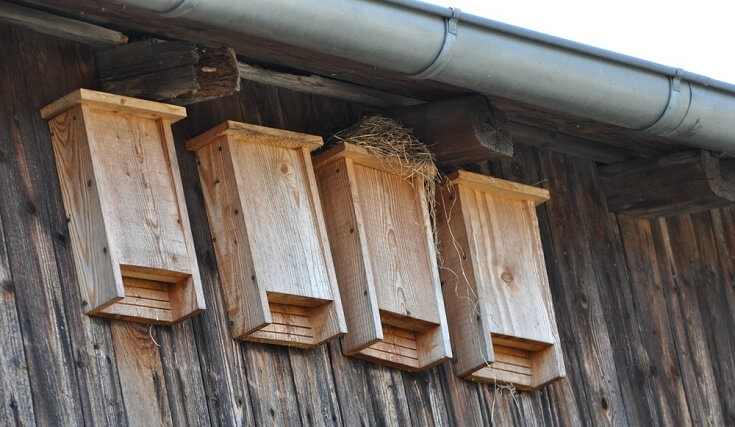
Bats: Bats feed on mosquitoes and will eat a lot of them in a night since they’re such small insects. Attract bats to your yard using a bat house to control the mosquito population naturally.

Conclusion

Mosquitoes can be a major problem, especially in the summer months, and not just because they cause itchiness. They can carry viruses that cause illness, so avoiding bites is crucial in some areas.

But with rising concerns about the safety of DEET, more people are looking for a natural mosquito repellent. The good news is that there are plenty of great options out there, both pre-made and DIY.

So take your pick of the many natural mosquito repellents, get outside, and enjoy the beautiful weather. When you protect yourself naturally you’ll avoid bites without having to worry about your repellent’s ingredients.

Enjoyed Top 10 Natural Mosquito Repellents? Share it with your friends so they too can learn how to get rid of mosquitoes naturally.

Top 10 Natural Mosquito Repellents That Help You Get Rid of Mosquitoes Naturally

How to Keep Mosquitoes Away

Want to know how to keep mosquitoes away? So in this post you will find 9 natural ways to get rid of mosquitoes.

[ad1]

The intense and swelling itching caused by mosquito bites are enough to ruin the mood in both outdoor and indoor parties. Though these pests are small creatures, they can cause dangerous diseases like dengue, yellow fever, malaria, chikungunya, and more.

In addition to the application of anti-itch creams, it is vital to know some of the best solutions on how to keep mosquitoes away.

You can purchase chemical-laded insect repellents in the market. These products can keep your home mosquito-free, but they also have adverse effects not only on your health but also to the environment.

Read more: Top 5 Products That Kill Mosquitoes Effectively

Long and heavy exposure to DEET, the most common active ingredient in most insect repellents, has been linked to headache, fatigue, joint and muscle pain, shortness of breath, tremors, and memory loss.

With natural repellents, mosquito traps, proper clothing, and easy home maintenance, you can enjoy your outdoor activities and indoor space while keeping mosquitoes away.

9 Natural Ways to Keep Mosquitoes Away

[ad2]

Listed are some of the tested solutions on how to keep mosquitoes away from you and your family.

1. Drain Any Stagnant Water

How to Keep Mosquitoes Away: Drain Any Stagnant Water

Stagnant water that may be present around your house invites mosquitoes. They commonly infest swamps, marshes, ponds, and other wetland habitats. However, they can also lay eggs in any standing water by your patio and garbage bins.

Removing any stagnant water is one of the best solutions on how to keep mosquitoes away outside your home.

  • Eliminate standing water in buckets, rain gutters, old tires, plastic covers, or any other container that may serve as their breeding ground.
  • Keep swimming pool chlorinated, filtered and circulating to prevent mosquitoes from laying eggs in the water.
  • Drain and change the water in fountains, bird baths, pet dishes, potted plant trays and rain barrels every week.
  • The space under your deck can give mosquitoes a perfect breeding habitat. Check if there are any puddles. Drain them and seal with sand instead to keep stagnant water from forming.

Read more: 31 Effective Ways to Get Rid of Fruit Flies

2. Grow Mosquito-Repelling Plants

How to Keep Mosquitoes Away: Grow Mosquito-Repelling Plants10 Plants That Repel Bugs (Save to Your Pin)

One of the best solutions on how to keep mosquitoes away naturally is by adding insect-repelling plants to your landscape.

The most recommended mosquito-repelling plants are:

  • Marigold – The scent of marigold drives mosquitoes away. Grow it in your garden or around the house to keep these insects from visiting.
  • Citronella – This plant is one of the common ingredients used in mosquito repellents, making it an efficient and natural alternative to chemical sprays. The oil extracted from this plant can also be applied to the skin as a natural insect repellent.
  • Catnip – One of this plant’s main active ingredients was found to be ten times stronger than DEET in recent studies. It is also a great non-toxic alternative to chemical sprays.
  • Lemon Balm – Crushing a handful of lemon balm leaves make a quick repellent that can be applied directly to the skin.
  • Lavender – Even though humans enjoy the scent of lavender, mosquitoes dislike the smell it gives off.

Read more: Top 10 Natural Mosquito Repellents

3. Hang Bat and Bird Houses

How to Keep Mosquitoes Away: Hang Bat and Bird Houses

Bats and birds are natural predators of many insects, including mosquitoes. Birds, purple martins in particular, can eat up to 2,000 mosquitoes per day. 70% of over 1,000 species of bats are insectivores and can eat 600+ mosquitoes per hour. Certain species like the little brown bat can even capture up to 1,000 mosquitoes an hour.

[ad6]

Hang bird houses or bat houses around your patio. This method will attract beautiful birds while getting rid of unwanted pests.

4. Mosquito Trap

Sugar with yeast can help you reduce the number of egg-laying females. You can purchase trapping systems or make your own. Here’s one of the best solutions on how to keep mosquitoes away from your house.

  1. Cut a 2-liter plastic bottle in half.
  2. Melt 1 cup of brown sugar in 1 cup hot water. Mix it well and wait for it to cool down.
  3. Pour the melted sugar into the bottom half of the bottle.
  4. Mix in 1 teaspoon of baker’s yeast as mosquitoes are naturally attracted to it.
  5. Place the top half of the plastic bottle upside down and wrap a tape around the bottle.

Place this trap outdoors to attract and kill mosquitoes. Adding vinegar to the solution will also get rid of gnats. Make sure that you change the trap weekly.

Read more: 22 Simple Ways to Get Rid of Gnats

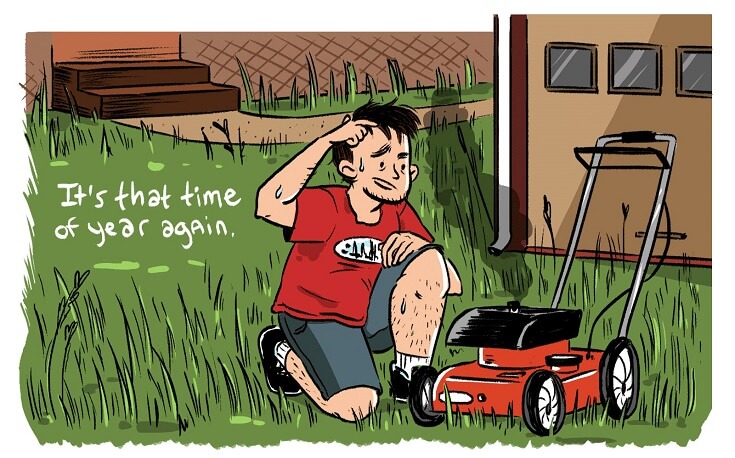
5. Mow Your Lawn

How to Keep Mosquitoes Away: Mow Your Lawn

Mosquitoes and other insects hide in tall grasses as these provide them a moist and shady place to stay. Mowing your lawn regularly is one of the best ways to keep mosquitoes away from your yard and reduce the risk of developing diseases caused by these small pests.

  • Mow regularly, but do not buzz as it may damage your lawn.
  • Trim any tall grass around pools, walkways, or ponds to reduce the population of mosquitoes around your house.
  • Get rid of the piles of leaves or grass as it can become a potential hiding place for mosquitoes and other insects.

6. Camphor

[ad3]

Many homeowners use camphor as an alternative to traditional mosquito repellents. It is typically used for colds, coughs, sores and insect bites.

Since mosquitoes smell the carbon dioxide and other chemicals produced by the body, camphor can counter this just like how citronella affects insects. It confuses mosquitoes and stops them from attacking, making it one of the best solutions on how to keep mosquitoes away from your door.

  • Add one camphor tablet in a small bowl filled with water. Place it in any corner of the room to prevent mosquitoes from entering. You can also use two containers for big rooms and crush the camphor.
  • Alternatively, light a camphor ball and place it in the center of the room. Leave the area for 30 minutes to an hour with all windows and doors closed. Then, go back inside and open the windows. This room will be free from mosquitoes and other bugs.
  • Another option is to add 3 to 4 camphor balls and 1 cup of neem oil in an empty spray bottle. Use this to kill mosquitoes just like commercial ones.
7. Garlic

Garlic is among the most powerful weapons against these annoying pests. Its sulfur content naturally sends ticks, fleas, flies, and mosquitoes away.

After a few minutes of spraying homemade garlic insect repellent, the human nose no longer detects the scent of garlic, but mosquitoes can detect the smell for several weeks, making it one of the natural ways to keep mosquitoes away.

  • Crush ten cloves of garlic and put them in a jar. Add three teaspoons of mineral oil and seal the jar. Let it infuse for one whole day and strain. Throw the garlic residue. Add two teaspoons of liquid soap. Pour this mixture into a spray bottle and fill it up with water. Shake well and use this solution to repel mosquitoes outdoors.
  • Alternatively, you can crush few cloves of garlic and add them to 1 to 2 cups of water. Bring the mixture to boil and let it simmer for a few minutes. Let it cool down and pour the mixture into a spray bottle. Sprinkle the mixture in all rooms.
  • Including more garlic in your daily meals can also repel mosquitoes. Garlic oil is released from the pores and acts as a barrier between your skin and these biting insects.

Read more: 15 Easy Ways You Can Do Today to Kill Flies Effectively

8. Wear Long Sleeves and Pants

How to Keep Mosquitoes Away: Wear Long Sleeves and Pants

Mosquitoes are attracted to the scent released by the skin. Wearing long sleeves and pants will decrease the number of mosquitoes attracted to you, and it will also make it harder for these pests to bite you.

  • Choose light-colored clothes, like tans, whites, and pastels. Mosquitoes are more attracted to black, navy, and other dark colors.
  • Wear lightweight long sleeves and pants so you can be comfortable in your tasks and activities.

9. Natural Repellent Spray

[ad4]

Most commercial insect repellents contain DEET, which may pose a health risk and may damage the nervous system. To eliminate the chance of developing any health problem, you can make your own natural mosquito repellent.

Whether you want to relax in the garden or camp in the woods, you can enjoy night outdoor activities by knowing how to keep mosquitoes away outdoors.

You will need 1 spray bottle (8 oz), ½ teaspoon of vegetable glycerin, 15 drops of clove essential oil, 4 oz distilled water and 15 drops of cinnamon essential oil and 4 oz distilled water.

  1. Put all ingredients into the spray bottle.
  2. Shake to mix all ingredients well.
  3. Spray to clothing to keep mosquitoes away. Do not spray onto the skin as it may result in irritation.

Lemon and eucalyptus oil are also effective ingredients in insect repellents.

Additional Tips

[ad5]

Follow some of these tips to keep mosquitoes away from you.

  • Light candles with citronella or geranial wax. The smoke from burning candle helps in confusing mosquitoes and stops them from biting you.
  • Turn on fans. Electric fans make it hard for mosquitoes to reach and bite you.
  • Use mosquito nets or tents. Whether just want to relax outside or you are hosting a party, consider using a mosquito net or moving inside a huge tent.

Conclusion

Mosquitoes are a real cause for concern as they do not just buzz and bite. These tiny creatures also carry a range of harmful and fatal diseases.
While bug repellents available in the market are useful in keeping these annoying pests away, many people opt for natural methods to prevent the risk of health conditions caused by heavy exposure to DEET.

You now can enjoy indoor and outdoor activities by using some of the natural solutions on how to keep mosquitoes away.

Enjoyed 9 Natural Ways to Get Rid of Mosquitoes? Share it with your friends so they too can learn how to keep mosquitoes away.

9 Natural Ways You Can Do Today to Keep Mosquitoes Away
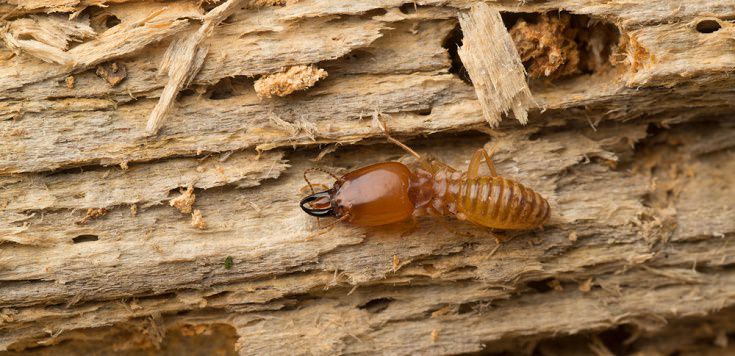
How to Kill Termites
Want to learn how to kill termites? Read this post to discover 19 effective ways you can do today to get rid of termites!

[ad1]

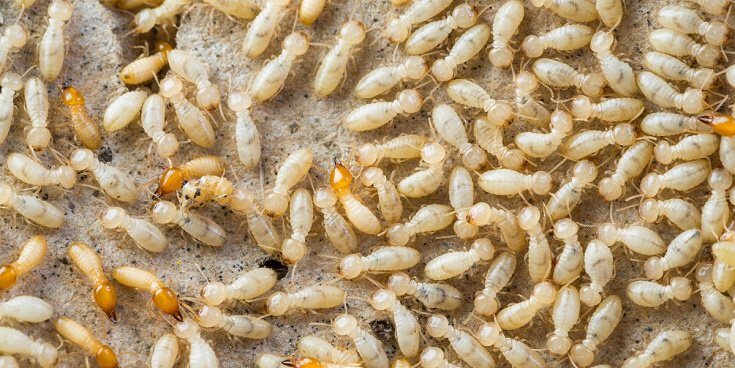
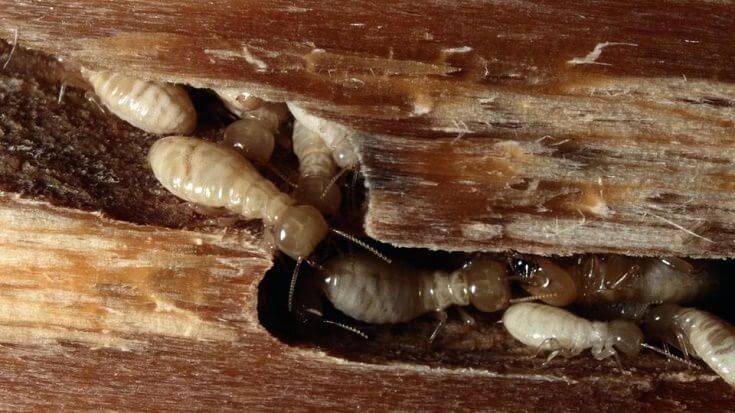
Termites are insects that feed on cellulose found in wood and plants. Because these pests can ruin even the house’s basic foundation, it is important to take measures and perform solutions on how to kill termites as quickly as possible.

Check This: Top 5 Products That Kill Termites Effectively and Fast

There are different types of termites:

  • Drywood – This type belongs to Kalotermitidae family. They are usually found in timber, wood, and hardwood floors. These insects are responsible for destroying homes, so it is important to get quick solutions on how to kill drywood termites.
  • Dampwood – This type of termite are commonly found in damp woods and are seldom found in homes. They belong to the Hodotermitidae and Kalotermitidae families.
  • Conehead – Conehead termites usually gather in the open and there are likely to build their nests in trees.
  • Subterranean – These termites build large nests and live in the soil. Commonly found in the U.S., this type is considered to be one of the most destructive insects. They can destroy house foundation faster than drywood termites.
  • Formosan – This type of termite is more aggressive when it comes to defending their nest than subterranean termite soldiers. They nest and invade structures within the soil.

Any of these types may be present in your home, garden or backyard. Some signs of termite infestation include cracked or bubbled paint on walls, wood damage, small wings on the floor or at any corner of your house, and hollow sounds on solid wood.

To successfully kill termites, you will need to find where the infestation is and use extermination methods like heat, beneficial nematodes, cardboard traps and other simple home remedies. In case of severe infestation, a professional may be required to get rid of termites.

How to Kill Termites Effectively

[ad2]

There are many things that can kill these annoying pests. Certain chemicals can instantly purge a colony of termites. Because of their capacity to cause huge destruction, it is recommended to call a professional to get rid of infestations.

There are also simple and effective techniques on how to kill termites yourself. Here is a list of the best solutions on how to eliminate these annoying pests.

Identify the Type of Termites

How to Kill Termites: Identify the Type of Termites

The two general types that might invade your home are drywood and subterranean termites. Drywood termites live solely in wood while subterranean are found in both wood of homes and soil around the area.

Subterranean termites do more damage to home foundation than drywood so it may need different solutions. You will also need methods that can kill these termites as quickly as possible, such as nematodes and borax.

Aside from the wood of your home, these termites may also infest compost piles.

Read more: 22 Simple Ways to Get Rid of Gnats

1. Borax

Also known as sodium borate, borax is one of the best solutions on how to kill subterranean termites. It leaves them dehydrated and shuts down their nervous system.

You can also use this for other types of termites.

  • Dust or coat infested areas with borax. Repeat the application daily for a few weeks until you kill all termites.
  • Another method on how to kill termites with borax is by adding 1 teaspoon of this powder with 8 ounces of warm water. Mix it well and transfer the solution into a spray bottle and sprinkle on infested wood, furniture, walls and other items. Repeat this treatment once or twice daily.
  • You can also paint a borate solution onto wood surfaces to prevent future infestations.

Note: Wear a mask and gloves while using borax. This can be toxic when inhaled. Keep the power or spray away from children and pets.

2. Orange Oil Spray

How to Kill Termites: Orange Oil SprayGet This Product Here

One of the best ways to kill drywood termites is by spraying orange oil on them. It is also highly recommended by experts as it contains D-Limonene that can lead these annoying creatures to their demise.

That compound is also what gives oranges and other citrus fruits their pleasant scents.

To use this method, you will need orange oil and a small spray bottle. Here’s how to kill flying termites and those hiding in wood.

  • Pour orange oil into a spray bottle. Spray it on flying termites and all areas where these insects are hiding.
  • You can also apply orange oil directly to infested furniture to kill termites. Many people also drill small holes into woods and inject orange oil. Repeat the applications for several days until there are no more signs of infestation.

Orange oil is also effective against mosquitoes, crickets, mites, and flies.

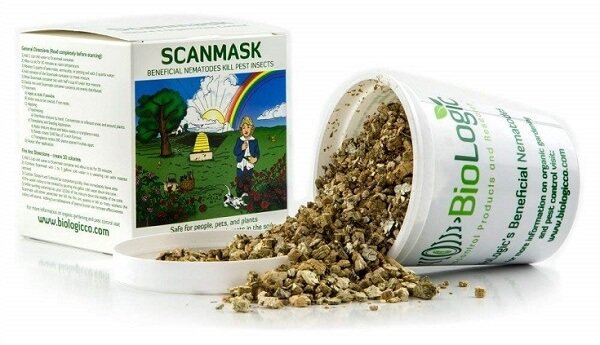
3. Parasitic Nematodes

How to Kill Termites: Beneficial NematodesKill Over 230 Bugs – Get This Product Here

Nematodes are worm species that can kill a whole colony of termites. If you are having problems with subterranean termites, you can exterminate them quickly with this natural method.

These parasitic roundworms enter the bodies of termites and feed on it. Bacteria are then released from nematodes’ guts. Termites will soon die from blood poisoning caused by these bacteria.

  • Add beneficial nematodes into a pail of water. Mix and let it sit for five to ten minutes. Pour the solution into a spray bottle. Shake and spray where you have seen infestations.
  • Once all termites are dead, nematodes will look for their next target. This means that they help control infestations and keep other insects at bay.
  • If you will use beneficial nematodes on infested soil, make sure that you spray them after sunset or early morning as sunlight will kill them.

Beneficial nematodes are not harmful to humans, plants, and pets. These worms only focus on insects, so they can destroy their entire colony in just about 48 hours.

4. Permethrin Dust

How to Kill Termites: Permethrin DustGet This Product Here

Permethrin is a synthetic chemical used for controlling subterranean and other types of termites. It is similar to the natural pyrethrum insecticide that derives from chrysanthemum plant, but it lasts for extended periods of time.

Apply the dust directly to the infested areas and into all entrance holes. Make sure that you read the instructions given by the manufacturer.

Permethrin dust contains 1% permethrin and can be used not only for subterranean termites but also for roaches, fleas, moths, European wasps, ground beetles, silverfish, bagworms, ants, and spiders.

Read more: How to Get Rid of Carpenter Ants

5. Diatomaceous Earth

How to Kill Termites: Diatomaceous EarthGet This Product Here

Diatomaceous earth is very effective when it comes to getting rid of many types of insects. In addition to termite infestation, it is also used for eliminating cockroaches, ants, spiders, fleas, and gnats.

This works by penetrating the exoskeleton of these insects. It dehydrates them by absorbing fats and oils from their bodies, making it one of the best solutions on how to kill swarming termites.

  1. Wear a mask before using diatomaceous earth.
  2. Apply a thin layer of diatomaceous earth on infested furniture, walls, ceiling, soil, and other areas that may be pest-ridden.
  3. Sprinkle this powder once in a while to prevent termites and other insects from coming back.

This technique may take a few days, but it works effectively.

6. Neem Oil Spray

How to Kill Termites: Neem Oil

Neem oil is obtained from the seeds of neem trees. In addition to its incredible health benefits, this oil is also used as an organic insecticide spray. It acts as a repellent and reduces insect feeding by interfering with their hormones. This makes it hard for pesky creatures to develop and lay eggs.

Though this method works slowly, it is one of the best solutions to kill termites in home naturally. It also requires direct contact to exterminate them for good.

  1. Mix two tablespoons of 70% neem oil with in one gallon of water.
  2. Pour the solution into a spray bottle.
  3. Spray all infested areas like walls, ceilings, furniture, and plants.
  4. Continue the application for several weeks.

Another option is to apply a generous amount of neem oil on infested areas using a cotton ball.

This method is also useful for deterring whitefly, moth larvae, spider mites, Japanese beetles, locusts, and aphids.

7. Expose Infested Furniture to Sunlight

[ad3]

One of the best ways on how to kill termites in furniture is by exposing them to sunlight. If you are living in a tropical country or when the heat is strong enough, this method will be easy for you.

Exposing a colony of Formosan and subterranean to ultraviolet rays of the sun promotes termite death.

  1. Place infested furniture in direct sunlight.
  2. Leave it outside for three to five days.
  3. Expose other items that may have termites.

Combine this method with other termite traps to speed up the killing process. If sunlight is not strong enough in the area, UV lights that copy sunlight may be effective.

Read more: What Kills Cockroaches Instantly?

8. Wet Cardboard Bait

How to Kill Termites: Wet Cardboard Bait

A wet cardboard is one of the effective solutions on how to kill termites naturally. Because termites feed on cellulose, the woody smell of wet cardboard will be appealing to these insects.

  1. Take some cardboard strips and make them wet.
  2. Stack them near the infested areas. Termites will smell the scent of wet cardboard and feed on its cellulose. Leave it overnight.
  3. Once the cardboard is infested with these insects, use gloves and take it outside.
  4. Burn the cardboard immediately to kill the termites.
  5. Repeat this method as many times as necessary.

For best results, combine this trap with other methods to kill termites quickly. Make sure that you check this tap regularly so you can kill these insects right away before they go back to their nests.

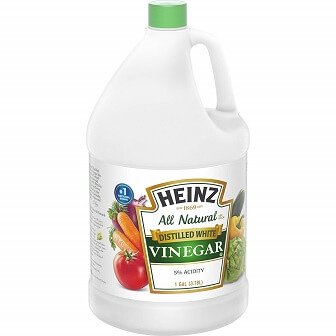
9. Vinegar and Lemons

How to Get Rid of Termites: Vinegar and Lemon JuiceGet Vinegar Here

Like other methods to kill termites, the first step is to locate mud-tubes inside or on the walls, along the pipes, in the foundation and find their nests.

One of the best solutions on how to kill termites in wood is by spraying vinegar on infested areas. Vinegar is a powerful weapon against drywood and subterranean termites.

  1. Combine one-half cup of vinegar with juice from two fresh lemons.
  2. Pour the solution into a spray bottle and shake it well.
  3. Spray this mixture on infested areas, especially on their entry points.
  4. Consider spraying on surfaces that these termites might attack.
  5. Repeat this process until the infestation is gone.

This mixture will soak through the cracks and holes, killing termites by destroying their digestive tract. Lemons contain d-limonene which is a poison to wood insects.

10. Expose to Low or High Temperatures

[ad4]

These tiny creatures die under exposure to extreme low or high temperatures. This method is useful for furniture, frames, books and other small items that are infested by termites.

Aside from taking pest-ridden pieces outside during summer, you can also apply cold treatment to kill these destructive insects.

Cold treatment is a natural way to get rid of terminates by putting pest-ridden items outside during winter or inside a refrigerator for 5 days. The required temperature is -15 degrees to successfully kill them.

Read more: 31 Simple Ways to Get Rid of Fruit Flies

11. Fipronil

For large infestations, Fipronil is one of the effective solutions on how to kill termites in your walls or ceiling. This is an insecticide that is used for controlling various types of insects, including termites.

Termites will die instantly when they get direct contact or when they eat fipronil. This product affects the central nervous system of these insects. This chemical should be handled by a pest control expert.

  • If you want to use it independently, be very careful and follow instructions on the packaging.
  • Try to avoid exposure and follow First Aid instructions if any exposure (skin contact, eye contact, digested, breathed in) occurs.
  • For maximum effectiveness, fipronil must be applied in the right locations.
  • Other insects that can be eliminated with Fipronil are cockroaches, beetles, ticks, crickets, rootworms, fleas, ticks, ants, and more.

    12. Salt

    [ad5]

    Salt is also one of the natural ways on how to kill termites in your ceiling, walls, and furniture. However, it is recommended to use it with other methods to get rid of the threat completely. If it is difficult to locate their hiding areas, it is best to get help from a professional exterminator.

    1. Look for signs of infestation and mud tubes.
    2. Mix equal parts of salt and warm water in a bowl. Too much water will make the solution ineffective.
    3. Fill a baster or syringe with this solution and treat the infested areas.
    4. Inject the solution into holes, open cracks and into the ground. You can also drill small holes into the wood and pour the solution around entry points.
    5. Repeat this process for a few days or weeks, depending on the severity of infestation.

    This treatment will keep termites at bay and prevent future invasions.

    13. How to Kill Termites in Mulch

    Wood bark or mulch attracts termites and this will be the first thing they will invade. Many people use mulch in their backyards, which may get the attention of termites and find their way to your home eventually.

    • If you use mulch in your yard, it is best to remove them as termites can easily transfer from your garden or backyard to your home.
    • One of the best solutions on how to kill termites in mulch is to steep its components with borate salt.
    • Another effective solution is to change the temperature of the infested area. You can use liquid nitrogen to lower the temperature or make a fire to raise the temperature.
    • Nematodes are natural parasites to pests, making it an effective method to solve the issue.

    Stumps and other varieties of wood are very attractive to these creatures. Consider removing them or apply preventive measures right away to prevent infestations.

    14. Chlorpyrifos

    This organophosphate pesticide is used for killing different types of pests, including worms and insects. It works by blocking the enzyme in charge for controlling messages between nerve cells.

    This causes the nervous system of these insects to function incorrectly and they die immediately.

    Chlorpyrifos is considered to be toxic even to humans and animals. It is best to let a professional handle this chemical in getting rid of severe infestations.

    Read the instruction and check if this insecticide is allowed to use in your country.

    • All products based on Chlorpyrifos are toxic, so make sure to use it only for outdoor infestations.
    • Treat infested areas such as tunnels in damaged woods, wood structures, porches, wooden fences, patios, behind veneers, and other items that are likely to be infested.
    • After treatment with Chlorpyrifos, take a shower and wash your clothes in a washing machine immediately.

    Note: Do not touch the substance with bare hands. Do not smoke, drink or eat during treatment.

    15. DIY Termite Pesticide

    [ad6]

    Garlic oil has insecticidal properties, making it one of the best natural solutions on how to kill termites in the wall, ceilings, furniture and other infested areas.

    The same way tobacco and neem oil also assist in eliminating termites and other annoying creatures that may be present in your home.

    • In a small bowl, mix 20% garlic oil, 5% tobacco, 10% neem oil and lukewarm water.
    • Stir well and transfer the mixture into a spray bottle.
    • Spray this solution on furniture, walls, ceiling and other infested areas.
    • Continue spraying twice a day for two or more weeks.

    16. Timbor

    Timbor is another effective method for killing termites and other types of insects. It can be used in dry form or a water solution.

    Mixing it with water allows you to spray the solution on pest-ridden areas. The dry form is ideal for wall voids and attics.

    • If you prefer to use dry form, use a crusader duster and apply it to holes, between the insulation, small cracks and crevices. Consider using an electric duster for better and wider coverage.
    • You can create a solution by mixing one pound of 10% timbor with one gallon of water. If you have 15% timbor solution, mix it with 1.5 pounds of water. Apply it on infested surfaces using a brush or spray.

    Timbor diffuses into wood structures and gives protection against termites and fungi.

    17. Imidacloprid

    This synthetic insecticide contains powerful ingredients based upon nicotine that can kill subterranean termites effectively.

    This chemical can be purchased in many brand names such as Advantage, Provado, Winner, Hachikusan, Premise, Admire, Confidor, and Kohinor.

    This insecticide works if the termites come into direct contact with it or if they ingest it. An affected termite can kill the entire colony with contact with their queen.

    Imidacloprid is also effective for the control of cockroaches and fleas.

    18. Kerosene

    Kerosene may also be effective in exterminating termites. It creates a hostile environment for these insects to breathe and feed on.

    • Spray kerosene oil on pest-ridden wooden structure and furniture.
    • For additional benefits, add a few drops of citronella oil.

    Note: If you would use kerosene to get rid of any infestation, be extra careful as it is highly flammable.

    19. Hire a Professional

    In severe cases of infestations, it may be best to hire a professional. Looking for nests are difficult and some are often hard to eradicate or inaccessible.

    Treating termites yourself is possible for small areas and certain furniture, but you may miss a colony or nest if they are nesting in the foundations of your house.

    Without the right apparatuses, finding colonies under your home will be impossible. They die from sunlight so there is a high chance that they will also nest underground.

    Professionals have appropriate tools and skills that will help you eradicate all termites promptly.

    Some pesticides involve harsh chemicals and need to be managed with upmost care. Contact with skin, ingestion by pets or children can be fatal.

    Conclusion

    Termites thrive and feed on wood. They can increase their population quickly and destroy your furniture your home’s foundation. This is why it is important to get rid of them as early as possible.

    Check for hollow sounds in the walls or ceiling, bubbled paints on the walls, powdered wood on wooden items, termite wings and other signs of infestation. You can also call a professional to provide a cold or heat treatment.

    While using natural solutions on how to kill termites yourself, you must keep moisture away and remove any standing water around your home. Consider using parasitic nematodes as these worms are very effecting in getting rid of these pests.

    Enjoyed 19 Effective Ways to Get Rid of Termites? Share this post with your friends so they too can learn how to kill termites.

    20 Easy Ways You Can Do Today to Kill Termites Effectively

    Best Ant Killer

    Looking for best ant killer? Read this reviews of the 5 best ant killer products on the market now to choose your best one.

    [ad1]

    Dealing with ants may not necessarily create panic, but it can be a never-ending battle that becomes exhausting. Having the best ant killer is sure to give you peace of mind as you tackle this issue.

    Deciding to purchase spray pesticides or baits can be a confusing decision. By following this simple guide, you’ll have the knowledge you need to win the war against those little soldiers.

    Choosing the Best Ant Killer

    When faced with a decision of finding the best ant killer for your home, there are several options to choose from. Some products are more effective at dealing with the ants you can see, while other products go directly after the source of the ant problem.

    [ad2]

    1. Ant Baits

    Many times you are facing an ant issue and you don’t even see them. That’s because ants love to hide in cabinets, behind appliances and walls.

    They also lurk beneath floors and inside door frames. That can make it difficult to find the ant problem and eradicate it.

    This is a great time to use liquid baits. They are effective indoors or outdoors and will attract many varieties of foraging household ants.

    Once the ants have consumed the bait, their digestive system will carry the poison back to the nest. There, the queen and other ant family members will die once the poison has been fed to them by the carrier ant.

    Thankfully, baits are pre-packaged inside plastic. They house all the insecticide and attractant within the unit making them a great option when children or pets are around.

    2. Ant Sprays

    Using aerosol ant sprays can help to deal with a seasonal ant infestation. Mainly, this option works best on ants that are visible.

    This option is a temporary solution and doesn’t tend to impact the nest. In addition to the immediate results, the spray will also provide residual effects for up to four weeks.

    Using a spray is the best ant killer for the kitchen when you need them gone fast. It will also work well to keep ants from coming back to areas like the trash can.

    Keep in mind that many sprays contain chemical products which create fumes. Always spray in a ventilated area and keep your pets and children away.

    3. Gels

    With a syringe, it is easy to apply a gel around the house where the ants enter. They are also effective when applied to the ant’s track around your property.

    Using a gel for pest control issues allows for a cleaner application. There are even some syringe applications that are childproof with a safety control attached for protection.

    [ad3]

    4. Granular Ant Bait

    To target the ant’s nest while protecting the home, granular ant baits provide a fantastic solution.

    Many of these are slow acting and naturally occurring biodegradable fungus which ants love to eat. Then, the ants will carry the bait back to their home and kill the entire nest.

    This process can take just 24 hours. Many granular ant baits target a specific type.

    5 Best Ant Killer Products Reviews

    Here are the 5 best ant killer products you should know about.

    1. TERRO T300 Liquid Ant Baits

    TERRO T300 Liquid Ant Baits

    Easily rated as the best ant killer for indoors, use TERRO T300 Liquid Ant Baits to kill most common household ants. The ready-to-use bait stations are pre-filled and couldn’t be any simpler to apply.

    Simply place the bait near an ant trail. For best results, you’ll want to use all six of the baits supplied in the box.

    Then, the ants will enter into the trap and consume the liquid bait. When they return to the nest, they will share the bait with their entire colony.

    Usually, there is a two to three-day time frame before the bait kills the ant. Because of this, there is plenty of time for the foraging ants to share with the unsuspecting colony.

    View on Amazon » View on DoMyOwn » Customer Reviews »

    Six Bait stations provide an adequate supply of materials to last up to several weeks. Each box contains the six baits that you need, which make for a superior value.

    If you need more than the six baits, it is available to purchase in a double or triple pack as well.

    Keep in mind that this product works by having the ants carry the poison back to the colony. Because of this, you will most likely see a surge of ants coming to the bait at first due to the attraction of the bait.

    One customer was proud to announce that with this product they were winning the ant war. Another customer was happy to relate the bait to a kegger for ants.

    Things We Didn’t Like

    • Not ideal for larger infestations
    • Doesn’t kill ants immediately

    » CHECK PRICE HERE

    2. Advion Ant Gel Insecticide

    Advion Ant Gel Insecticide

    Advion is a broad spectrum product. This means it will control various ant species, specifically sweet feeders. In fact, Advion claims that this gel attracts up to 19 different species.

    The insecticide provides a high attractant, homogenous formulation. This brand easily impacts all life stages of the ant so you achieve complete colony control.

    Advion is completely odorless to humans. When it comes to the ants, however, they are extremely attracted to the sweet bait.

    Within a few hours, you can see hundreds of ants swarming the baits. Wait longer and there will be even more.

    The hardest part about using this bait is remembering not to clean up the dead ants right away. The dead ants also serve as a bait to attract more ants and are a vital step to ridding yourself of an infestation.

    While I believe this product is extremely powerful and effective against killing ants, I am personally not sold on the higher price tag. There are plenty of other effective products that simply don’t cost this much.

    While I am not completely sold on the price tag, other users would disagree with me. One customer claims this was the ants’ death warrant while another referred to it as “ant cocaine.”

    Things We Didn’t Like

    • Price tag
    • Lots of dead ants lying around the gel

    3. Terro 1806 Outdoor Liquid Ant Baits

    Terro 1806 Outdoor Liquid Ant Baits

    Another Terro product tops the charts, but this time as the best ant killer for yards! The biggest difference between this and my top pick is that the outdoor version is ideal for large ant infestations.

    It works in basically the same way. The pre-filled ant bait stations come ready-to-use.

    Simply place them outdoors where you notice the ants. You can use the stakes provided to secure the baits.

    Ants will sense the bait and ingest it. Then, they carry it back to their colony, and most importantly the queen, and share the poison with them.

    This isn’t just the best ant killer for the yard, but can also be used some places indoors. You could consider using them in garages, on decks or down in the basements as well.

    The Terro outdoor baits are effective against all common household ants. Best of all, the baits are waterproof which prevents the liquid from drying out.

    This box also contains six baits just like the indoor version. With this formulation, however, you can purchase them in bulk up to six boxes of six baits at a time.

    Buying in bulk makes this a great value if you need more baits. It is easy to see why you would want more because this is the best ant killer for lawns.

    I’ve seen that I am not the only person who thinks this is an amazing product. Reviews have flooded in with one person exclaiming on how quickly the product worked.

    Another noted that despite the fact that hundreds of ants crowded around the bait to eat, within a short timeframe, all the ants were gone.

    Things We Didn’t Like

    • Harder to setup
    • Takes time for ants to die

    4. Orange Guard 103 Water Based Indoor/Outdoor Home Pest Control

    Orange Guard 103 Water Based Indoor/Outdoor Home Pest Control

    When looking for a more natural product to use, Orange Guard provides a fantastic option. The ready to use formulation offers a broad range insecticide that is made from orange peel extract.

    It not only kills bugs that are hidden, but it also works on a variety of pests. Orange Guard is effective against roaches, fleas and ants as well.

    Because of the natural formulation involved with this spray, you can use this around food, pets and humans alike. It is a water-based spray.

    Use this pest control solution indoors or outdoors, wherever your infestation is occurring. For naturally-conscious consumers, it is pleasing to know that it is also EPA-registered.

    Currently, it is available to purchase in a 32oz bottle, but you can save money by buying two bottles at a time. It is a little pricier than many products, but worth the extra if you want a natural-based remedy.

    Keep in mind that this is a spray which will kill bugs immediately. The downside to this is that it won’t make it back to the nest.

    The customers who currently use this formula had nothing but great things to say about the usage. Many praised the fact that it was safe for kids and pets while others talked about how fast it killed everything immediately.

    Things We Didn’t Like

    • Doesn’t make it back to the nest
    • Price tag was a little higher than other products

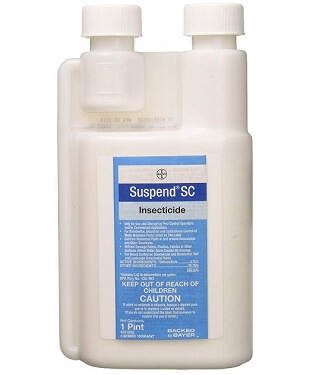
    5. Suspend Sc Insecticide

    Suspend Sc Insecticide

    Sometimes the only product that will work is the one that pest control companies will use. That’s when you’ll want Suspend SC Insecticide.

    One pint of this formulation makes up to 64 gallons of solution. This can vary depending what pest you are attempting to target.

    This is safe to use indoors or outdoors. In addition, use around food handling areas is okay as well.

    The broad-spectrum control offers solutions to more than 50 pests you face. There is no odor or visible residue that will be left behind.

    This is rated as one of the best fire ant killers for lawns, as well as other species of ants as well.

    Use this solution on porous surfaces with ease. In addition, it can last up to 3 months after application.

    For the best application, you’ll want to use with a sprayer. That allows for easy application on landscape ornaments, in restaurants and more.

    The only option for sizing is a 1-pint bottle and the price tag is hefty. Keep in mind that the 1-pint can easily turn into 64 gallons depending what insect you are targeting.

    A fan of Suspend noted that despite using other products before, nothing compared to this brand. Another user exclaimed that in spite of the fact that they only spray outdoors, there have been no more insects within the house either.

    Thing We Didn’t Like

    • Have to manually apply the solution
    • Mixing is required
    • Costly

    Using Ant Killer Products

    After deciding on the best ant killer for your needs, it would be important to determine why you should use it. Consequently, you’ll also need the best application tips to ensure proper termination.

    [ad4]

    Why You Need Ant Killers

    While most ants are not dangerous to humans, they could in theory still carry bacteria. Organisms like E.coli, Salmonella and Streptococcus have been found in some species of ants.

    If the home is dealing with an infestation of carpenter ants, the wood in the house is not safe. Carpenter ants are capable of damaging any wood where they nest.

    This causes costly destruction to a home and can also create many unnecessary headaches.

    Varieties of Ants

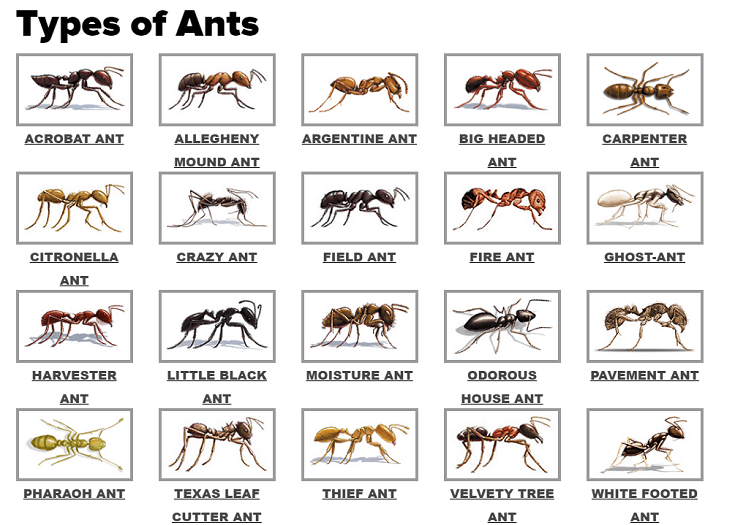
    Type of Ants

    According to the Combat website, there are seven main types of ants that you could be battling against.

    1. Odorous House Ant

    • Medium-sized
    • Brown to black in color
    • Release a rotten coconut smell when crushed
    • Nest outdoors in wood, cardboard or rock
    • If indoors, they’ll be found near a source of water, preferably the kitchen or bathroom
    • Feeds on sugary liquids from nectar to other insects
    • Forage day and night

    2. Carpenter Ants

    • 4 common species found in the U.S.
    • Exist in wooded rural areas
    • Fairly large
    • Range in color from yellow to black
    • Live in decaying wood
    • Feed on sugary liquids from other insects
    • Forage at night only

    3. Fire Ant

    • 6 known species in the U.S.
    • Red Imported Fire Ant is the worst, found mainly in the southern U.S.
    • Range from small to large
    • Typically red but can be brown or black
    • Nests are in sunny, open areas like the lawn
    • Aggressive
    • Eat protein food like live and dead animals or seeds and fruits
    • Tip – read through the best fire ant killer reviews for products designed specifically for this type

    4. Pharaoh Ant

    • Found throughout the U.S.
    • Small
    • Yellow, light brown or red in color
    • Nest outdoors and indoors
    • Enjoy warmth and humidity
    • Often found in wall voids, behind baseboards or in the kitchen or bathroom
    • Eat sweets, fats and proteins

    5. Pavement Ant

    • Found in most of the U.S.
    • Medium-sized
    • Vary from light brown to black color
    • Nest under pavement slabs found in foundations, sidewalks and driveways.
    • Sometimes nest indoors in walls or under the floor

    6. Argentine Ant

    • Found in southern U.S.
    • Medium-sized
    • Light to dark brown in color
    • Emit a musty smell when crushed
    • Live in large colonies with up to a million workers and up to hundreds of queens
    • Shallow nests in mulch, beneath stones or wood, at the base of plants and in garbage piles
    • Eat sugar water from plants or other insects
    • Forage day and night

    7. Sugar Ants

    • Found in suburban areas or in woodlands and forests
    • Prefer a warm, humid climate
    • Female workers have orange-brown bodies with black heads
    • Male sugar ants are completely black
    • Small to medium-sized
    • Form nests behind walls, between rocks, holes in woods and soil
    • Mostly nocturnal

    What to Consider Before Buying

    Here are some questions to ask yourself before making a purchase.

    [ad5]
    1. What type of product will work best for me? This is the guiding force behind the product you ultimately decide on.
    2. How much will I need to complete the necessary application? You don’t want to start applying the ant killer around your house only to run out of the product.
    3. What is my budget? Certainly, there are options for every budget available. Many times the more expensive options will be more powerful, but if you can’t afford it, there are other avenues you can take.
    4. What type of ant am I trying to kill? Some products work best on a particular ant and you’ll want to be careful you choose only the best for your circumstances. Some products can be used on multiple insects.

    Safety Concerns with Treatment

    There are some valid concerns with the use of ant killing products as there are chemicals involved. Here are a few things to be aware of:

    • Be aware that not all ant killers are safe for pets and children to be around
    • Some products contain Borax as the main ingredient which is safer for people, but dangerous to ants
    • Products used outdoors should not interfere with your water supply and don’t remain in the soil for longer periods of time.

    Tips for Using Ant Killers

    Always follow the directions given on the package you are using. On top of that, here are some helpful tips you can follow when trying to get rid of ants.

    [ad6]

    Learn about the entire colony and the Queen’s habitat.

    1. Follow the ants to understand more about the colony and where they are coming from.
    2. Don’t spray the ants if possible as this only kills worker ants which doesn’t solve your problem.
    3. Set out a bait which will make it back to the queen via the worker ants. This has been found to be the best ant killer for indoor spaces.
    4. Don’t clean while using the bait. Mopping up the floor is going to eliminate odor trail which will lead the ants to your bait.
    5. Have patience. It can take several weeks for a colony to die, especially if it is large.
    6. Spray outdoor nests. If trailing the insects takes you to an outdoor nest, by all means, spray insecticide directly on it. This might be the best ant killer for the outdoor space that you have.
    7. Maintain a clean home to prevent future infestations.
    8. Seal off any areas of the house where ants can come in.

    In Review

    It is plain to see why the best ant killer available right now is the TERRO T300 Liquid Ant Baits. With high recommendations and the utmost in effectiveness, it is super to help win the ant war at your house.

    It is the best value of money compared to all other brands. In addition, there is very little effort needed to take control of your home again.

    Don’t hire professionals to do what you can do yourself. Save yourself some money and unnecessary time.

    Simply choose the best ant killer and you’ll be on your way to an ant-free home again.

    Enjoyed Top 5 Products You Should Use to Kill Ants Effectively? Share it with your friends so they too can choose the best ant killer.

    Best Ant Killer: Top 5 Products You Should Use to Kill Ants Effectively

    What Do Termites Look Like to The Human Eye

    Not sure what do termites look like? Don’t worry. We’ve got you covered. This post is your complete guide to identify them with pictures.

    [ad1]

    If you think that you have a termite infestation, then it will be good for you to know the answer to the question “What do termites look like to the human eye?”.

    Termites are extremely destructive.

    If you think that you have a termite issues you should quickly try to identify the type of termite and then get started right away on treating the infestation. A termite problem can go from bad to worse quickly.

    One of the first signs that you notice may be wood damage. You might also notice a swarm of termites that often happen on a hot day and around a rainstorm.

    After a swarm, you may find lots of wings or even feces that are left behind. Any evidence that you find of termites needs to be treated as though it could be an infestation and needs to be addressed quickly.

    So now that you know some signs to look for you need to better understand what termites look like.

    What Do Termites Look Like

    What Do Termites Look Like: Types of Termites

    There are several types of termites and identifying the type that you have can help you to better know how to treat the infestation at hand.

    You will likely still want to get a professional opinion on the termites even if you believe you know what type they are. A professional can help you with tracking down where they may be living as well as help you with treating the problem and preventing it going forward.

    You don’t want to end up with a house that is damaged and end up left with a costly repair if the problem can be addressed early on you can likely save yourself a little bit of money.

    Read More: What Kills Termites Naturally and Fast

    What Do Baby Termites Look Like

    What Do Termites Look Like: Baby Termites

    Baby termites almost look like little ants. They have bodies that are white in color as well as two antennas that stick out of the head.

    There are some differences between ants and termites, however. One thing is that baby termites began in a larvae stage. This means termites that are babies will often stay close to the nest where eggs are located.

    [ad2]

    One way to tell the difference is to look at the antennas to see if they are curved or pointed. If the antennas point straight out then they are indeed baby termites.

    Another method for identifying babies is to look at their waists. Baby termites waists are thick and they will also have wings that are the same in size.

    By looking at all the factors you will hopefully be able to tell for sure if you are looking at a baby termite or an ant. For the most part, these babies look like adults just smaller.

    Read More: Top 5 Products That Kill Termites Effectively

    What Do Flying Termites Look Like

    What Do Termites Look Like: Flying Termites

    Winged termites are also known as swarmers. The main function of these termites is to generate colonies that are new and to reproduce.

    Swarmers have two pairs of wings. If you find these flying termites indoors then it is very likely that the building you are in is infested.

    These flying termites are attacked by light and this means you can often find them in your window sills or near outside lighting. These are going to turn into the kings and the queens of the new colonies they construct.

    When conditions are right the winged termites will leave the nest. The females and the males will fly together.

    Once these termites have landed they will shed the wings, then mate, and begin starting the new colonies.

    So now that you have an answer to “What do swarming termites look like?”, it is time to learn about what subterranean termites look like.

    Read More: 9 Natural Ways You Can Use to Kill Termites

    What Do Subterranean Termites Look Like

    What Do Termites Look Like: Subterranean Termites

    Subterranean termites are broken down into three different types. There is the worker, the reproductive, and the soldier.

    There are more workers in the colony than anything. These are immature, white, and they have no wings. When a piece of infected wood has been breached these are the first termites that are seen.

    The reproductive termites are the swarmers that were talked about above. These termites have eyes as well as wings until they land and shed the wings.

    [ad3]

    These termites are blind but they can perceive changes in lighting. Most of the labor that is needed for the colony is done by these worker termites.

    Then there is the soldier termite. These termites are put in place to defend the colony. They are able to be identified by their yellow-brown head that is elongated as well as black mandibles.

    The soldiers are blind as well like the workers. They are also wingless and have bodies that are soft.

    Since these termites are not able to feed themselves the worker termites provide them with food that is regurgitated.

    What Do Drywood Termites Look Like?

    What Do Termites Look Like: Drywood Termites

    Drywood termites have a waist that is thick. They also have straight antennae like other termites.

    Drywood termites have legs that are shorter. When the wings are on the reproducers both pairs of wings will be the exact same length.

    Depending on whether the drywood termite is a worker, soldier, or reproducers they will vary in color. The color of these termites can range from black to cream depending on the role that the termite has within its colony.

    These termites are most often found in coastal areas in the south.

    What Do Termites Look Like Without Wings

    What Do Termites Look Like Without Wings

    Termites without wings look like the solider and worker termites in the colonies. The look will vary depending on the type of termite as discussed above.

    They will have straight antennas and the waist will be thick unlike that of an ant.

    What Do Termites Look Like When They Swarm

    What Do Termites Look Like When They Swarm

    Only some termites are capable of flying and they only fly for a very small window of time before they shed their wings.

    When termites swarm the start of the season for termites has begun. This happens once each year and the time for this differs based on the species as well as the country in which the termites are located.

    The reason that termites swarm is to start different colonies as well as to breed. The swarm is what marks the life cycle beginning for a termite.

    Then the swarm begins the termites with wings will congregate and mate with the other termites in the air. After the mating is complete the termites will and they lose their wings, they then begin to create a colony.

    [ad4]

    Termites will often start swarming in the beginning of spring and most often after it has rained. Environmental cues let them know when they should start swarming and it is in sync with other colonies.

    What Does Termite Damage Look Like

    What Does Termite Damage Look Like

    Termite damage can be one of the first things that you notice when it comes to a termite problem if you have not yet seen the swarm. Termites are active even when there is not a swarm present.

    This means that they can destroy your house for a long time before you even realize that you have a problem. What does this damage look like on wood?

    Read More: Top 9 Signs of Termites Infestation

    What Do Termites Look Like On Wood

    What Do Termites Look Like On Wood

    Subterranean termites eat on wood, and this means that you are able to find evidence of this. Carpenter ants leave marks in wood that is clean and neat but this is not the case when it comes to termites.

    The wood that is damaged will have a mixture that is brownish-yellow in color and is a result of soil and wood that has been digested. When this substance dries it looks somewhat like dried oatmeal.

    You might see mud tubes that lead from the damaged wood to soil where termites are likely living, or you may see tubes that are packed into seams and crack in your paneling.

    What Do Termites Look Like In Wood

    What Do Termites Look Like In Wood

    Often the main damage from the termites is seen inside the wood and not on the surface. On the surface, you may notice that the wood has a look that is almost blistered in appearance.

    However, the inside of the wood will look layered or like a honeycomb. This will be from where termites have eaten the layers that are softer and leaving the layers which are harder in between.

    The mud that was mentioned above will be seen here in between the layering. There is not going to be sawdust present since termites will eat and then digest what they consume.

    The damage that you find may be old or it may be from current infestation. This is something that you need to find out as soon as possible.

    [ad5]

    As you can see not all termites are the same in appearance. Try to determine the type of termite if you can but either way you need to get a professional to help if you notice that you have a termite problem of any kind.

    Now that you have the answer to what do termites look like to the human eye you will be able to move forward with getting the necessary treatment to remove termites if that is what you are found to have infested your home.

    You should also take all appropriate measures to prevent future infestations of termites once the current situation has been handled.

    Enjoyed A Complete Guide to Identify Termites with Pictures? Share it with your friends so they too can learn what do termites look like.

    What Do Termites Look Like to The Human Eye

    How to Kill Termites Naturally

    Want to kill termites naturally and fast? So you should try to use top 9 natural termite killers we listed here. Read on to learn how to kill termites naturally yourself.

    [ad1]

    Termites are one of the most damaging infestations when it comes to our homes, businesses, and yards.

    Luckily, you’ve got options. But maybe you’re uneasy about using some of the products on the market that could have safety risks for your family and aren’t sure what kills termites naturally.

    We’ve got you covered. We’ll fill you in on the most effective natural ways to kill termites and how to get started.

    How to Kill Termites Naturally

    [ad2]

    Below are the top 9 natural termite killers that you can use to kill termites naturally. Simply pick your best natural termite killer and let’s it work its job.

    1. Sunlight

    How to Kill Termites Naturally: Using SunlightUsing Sunlight to Get Rid of Termites

    Termites are designed to live in the dark and being exposed to sunlight can wreak havoc on their colony.

    The sun is a very simple natural way to get rid of termites and is completely free to take advantage of. All you have to do is make sure that the infestation is exposed and let the sun do the work.

    Outdoors

    Once you’ve found where the termites are hiding, expose the area to sun by clearing out nearby brush and moving any objects that are providing shade. Without anything to block the sun’s rays, the termites will die.

    Furniture

    Simply place the furniture outside in an area where it will get direct sunlight for as many daylight hours as possible.

    For furniture that termites can hide inside, you can also use some bait (like the cardboard trap described below) to help lure them out so they’re more likely to be exposed to the sun.

    Read More: 15 Simple Ways to Get Rid of Flying Ants

    2. Heat and Cold Treatments

    [ad3]

    Changing the temperature around the colony is a natural way to get rid of termites that uses absolutely no toxic materials to take care of the problem.

    Heat Treatments

    Heat treatments are done by pest control professionals and can be used for your whole house or just for furniture.

    To have your home treated, a specialist will come for an inspection to find where the termites are located and recommend what items should be taken out of your home for the treatment.

    On the day of treatment, heaters will be set up to raise the temperature in your house to between 120 and 140 degrees Fahrenheit for at least 35 minutes.

    To treat furniture, the infested items can be put in a heat chamber and exposed to the same heat for up to four hours.

    Cold Treatments

    Cold treatments are usually used for furniture or for treating specific spots of high activity.

    Liquid nitrogen is a non-toxic natural termite killer that can be used to freeze out the pests. This method is typically carried out by a specialist who will pump liquid nitrogen into the infested areas.

    If you live somewhere where winters reach temperatures below 20 degrees Fahrenheit, you can put your furniture outside on cold days for the same effect.

    These temperatures are just too low for termites to survive and most or all of the termites in the treated area will die from exposure.

    3. Cardboard Trap

    How to Kill Termites Naturally: Using Wet Cardboard TrapUsing Wet Cardboard Trap. (Pin It)

    Termites are attracted to the cellulose in cardboard so if you’ve got boxes around, you’ve got the basics for a trap. For best results, replace traps regularly.

    Corrugated cardboard is best for traps. You can use a box, a stack of cardboard sheets, or a rolled up piece of cardboard.

    Untreated cardboard

    1. Place your cardboard trap near the infestation.
    2. Spray it with water. Wetting the cardboard will make the scent stronger and help attract more termites to it.
    3. Once the termites have swarmed the cardboard, remove it from the area and dispose of it, ideally by burning it.

    Poisoned cardboard

    1. Place your cardboard trap near the infestation.
    2. Apply a natural insecticide. A few options are included later in this article.
    3. Spray it with water to help make the cardboard scent stronger.
    4. Once the cardboard has killed some termites, clean up the dead insects and dispose of the trap.

    Read More: 9 Ways to Get Rid of German Roaches

    4. Beneficial Nematodes

    How to Kill Termites Naturally: Using Beneficial NematodesKill Over 230 Bugs. Get It Here

    Nematodes are microscopic worms that will kill termites without damaging your lawn or garden. They also pose no risk to humans or animals so it’s a very safe option for your family.

    Many consider this method the best termite killer out of all the natural options, but it can only be used outdoors.

    Nematodes are best applied in certain conditions. Cloudy or rainy days around dusk are best since sunlight can kill them.

    Spray Application

    1. Use a hose to thoroughly wet the soil around the building’s foundation or other affected area. This step isn’t necessary if you’re applying right after rain.
    2. Connect a hose end sprayer. Check it for any screens that could act as filters. Remove them.
    3. Put the nematodes in the bottle attachment and stir to mix thoroughly.
    4. Spray the area thoroughly. Shake the sprayer occasionally to make sure distribution is even.
    5. Keep the soil where the nematodes were sprayed moist for at least 5 days after application.

    If you don’t have a hose end sprayer (or a hose), you can use a watering can instead for small areas.

    5. Borax

    How to Get Rid of Termites Using Borax (Watch)

    Simple to use and cheap to buy, borax is a popular choice among do-it-yourselfers and professionals alike for killing termites and several other kinds of pests. Despite the somewhat synthetic sounding name, borax is a mineral and totally natural.

    This natural termite killer a good option for both indoor and outdoor use because it’s safe for humans and animals to be around. It causes digestive upset when ingested, though, so it’s still a good idea to keep small kids and pets away from it as a precaution.

    Borax Spray

    This option is generally meant for outdoor use.

    1. Combine 1 ½ cups of borax powder and 1 gallon of hot water in a bucket. Stir the mixture until all the powder has dissolved.
    2. Pour mixture into the container of a pump garden sprayer.
    3. Spray the infested areas as well as surrounding wooden surfaces.
    4. Let it dry and apply another coat or two.

    Borax Balls

    1. Combine 1 cup of borax powder with ⅛ cup powdered sugar and ½ cup of flour in a bowl.
    2. Add a bit of water and mix. Continue adding and mixing until the consistency is like soft dough.
    3. Use your hands to roll the mixture into olive-sized balls.
    4. Place up to three balls in each area that you’ve seen termites. Spray them with a bit of water regularly to make their scent more noticeable to the pests.
    5. When the balls get really hard, replace them.

    Borax Powder

    1. Locate an area where a lot of termites are grouped. If you know where their nest is, that spot is ideal.
    2. Expose the location as best you can and sprinkle borax powder directly onto the affected area.
    3. Sweep up powder and dead termites regularly and replace with fresh powder.

    Read More: 31 Simple Ways to Get Rid of Fruit Flies

    Other Natural Insecticides

    [ad4]

    While borax is one of the most popular natural substances used to kill termites and other insects, there are plenty of other choices to consider too. Some effective options might even already be in your house.

    These are used for spot treatments and on unaffected wood to prevent termites from spreading.

    1. Diatomaceous Earth

    How to Kill Termites Naturally: Using Diatomaceous EarthGet This Product Here

    Sometimes what kills termites is completely safe and even beneficial for humans. Usually used in the form of a white powder, diatomaceous earth is a type of sedimentary rock that is deadly for termites but some people use a food-grade variety as a supplement.

    And because it comes straight from the earth, it’s a very eco-friendly choice that poses no risk to the environment.

    This substance kills termites by dehydrating them so it’s important to sprinkle the powder directly on them and generously on areas they frequent.

    Diatomaceous earth can be used both indoors and outdoors, so try applying it to exposed wood, furniture, and even carpets and rugs. Anywhere you’ve seen termites is a good place to sprinkle some since it’s so safe to use.

    2. Orange Oil

    Orange oil is an essential oil made from the fruit’s rinds and can be found in many natural health stores. It contains D-limonene which kills termites and many other common pests on contact by drying out their exoskeletons.

    While it’s generally safe for people and pets, it can be irritating if it makes direct contact with your skin undiluted and can cause digestive upset if ingested, so you should still be careful when using it.

    Apply orange oil diluted in water to infested wood, especially in the cracks where termites might hide. It can be helpful to drill well-spaced holes into the wood to get the solution farther inside.

    There are also orange oil-based products available. Orange Guard and XT-2000 are the most commonly used options.

    Read More: 9 Natural Ways to Keep Mosquitoes Away

    3. Neem Oil

    How to Kill Termites: Using Neem Oil

    Neem oil contains a compound called azadirachtin that kills termites by preventing them from molting. Termites that make contact with or ingest the oil will be killed.

    Neem oil can be irritating to the eyes, skin, and stomach, but is non-toxic and considered safe for human use.

    Apply neem oil in the same way you would apply orange oil. The goal is to place it where termites will touch it directly.

    Neem oil-based pesticides can be bought in large quantities from various pest-control companies, including Dyna-Gro and Safer Brand.

    4. Vinegar and Lemon Juice

    [ad5]

    Vinegar is a common ingredient in DIY pest control and can be easily used to kill termites.

    Adding lemon to the mix makes it even more effective as lemons contain d-limonene, the same natural termite killer found in orange oil.

    To use this method, mix 1 cup of vinegar with ½ cup of lemon juice in a spray bottle and spray directly onto termites and infested areas.

    This solution poses no risk to your family and can be reapplied as often as needed to kill the termites in your home.

    Conclusion

    Finding termites in your home can be a major concern because of the damage they cause, and knowing the toxicity of some pesticides only adds to the stress of the situation. Thankfully, there are numerous natural termite killers that are safer for you and your loved ones.

    Now that you know how to get rid of termites naturally you can make an action plan. Try combining multiple methods for a more successful result.

    Enjoyed Top 9 Natural Ways to Get Rid of Termites? Please share it with your friends so they too can learn how to kill termites naturally and fast.

    How to Kill Termites Naturally and Fast

    What Kills Termites Naturally and What Kills Termites Fast

    Want to know what kills termites naturally and what chemicals kill termites fast? So read this post to the end to discover what you can use to kill termites effectively.

    [ad1]

    When you find termites in your home or business the first question you are likely to have is “What kills termites?”.

    Termites can seriously damage a building if they are not taken care of quickly.

    You don’t want to end up with costly repairs.

    Below are some common questions and answers that are sure to help you with ridding your home or business of termites.

    Quick Navigation

    How Do I Know If I Have Termites?

    [ad2]

    First, you need to determine if you do in fact have a termite problem.

    Check for the following:

    1. Termite droppings.
    2. Paint that appears to be bubbling or cracking.
    3. The sound of hollow wood when you tap on it.
    4. Seeing wings that have been discarded from the swarmers.
    5. Check crawl spaces, walls, and wooden beams for mud tubes.
    6. Winged insects swarming temporarily in your house or even from soil that is surrounding your house.

    There is no specific season for termites.

    However, you are most likely to see them from March through November.

    I’ve Found Evidence, Now What?

    If you have found clear evidence that you have termites, so now you need to determine what to use to kill termites.

    What Can I Use To Get Rid Of Termites?

    You can kill termites naturally, with chemicals, or with the help of a professional.

    You will need to decide if this is a job that you can take on alone or one that you need professional help with.

    Remember that termites can seriously damage your home.

    We recommend that you don’t take a termite infestation light.

    What Kills Termites Naturally?

    There are a couple of different natural ways that you can kill termites.

    1. Nematodes

    How to Kill Termites NaturallyKills Over 230 Bugs. Get It Here

    These are tiny microscopic worms. They have been becoming more popular as a way controlling pests organically.

    Often they come on a sponge that is placed in water.

    The solution is sprayed in the areas that are affected like shelter tubes or other areas where you can see the termites.

    Nematodes then infect termites and will over time kill them all off.

    This is extremely efficient as these tiny worms are carried deep into the nest by the termites, therefore killing off populations that are large in size.

    2. Vinegar

    How to Kill Termites NaturallyGet This Product Here

    Another answer for what can kill termites naturally is vinegar.

    You can use it diluted or without diluting.

    It will kill present termites on contact and it helps to keep others from using the tube in which you sprayed the vinegar.

    Repeating this application can help to stop early stages of an infestation as well as prevent future infestations.

    What Chemicals Kill Termites Fast?

    [ad3]

    Of course, you would want to know the best chemical to kill termites.

    The good news is that there are a few options out there.

    1. Fipronil

    This is one of the active ingredients in a lot of the liquid termite products out there.

    It was designed to damage the termite’s central nervous system when it comes into contact with them.

    This chemical is great for barrier treatments when preventing infestations as well as for when you are treating an active one.

    2. Imidacloprid

    [ad4]

    This insecticide is synthetic and nicotine is the substance it is derived from.

    It is the ingredient that is active in termite underground chemical treatments.

    Imidacloprid works if the termite ingests it or if it comes into contact with it.

    It is slow acting and this allows the termite affected plenty of time to transfer it to the other termites.

    All it takes is an affected termite coming into contact with the queen and it will kill off the entire termite colony.

    3. Hexaflumuron

    [ad5]

    Another answer to what chemicals kill termites is hexaflumuron.

    This chemical is used most commonly in baiting systems for termites.

    This is another slow acting chemical and it is not liquid in form.

    It works to inhibit the growth of the termites and exploits the colony’s social behavior.

    Termites find the station and then leave behind smells that will alert the others of where the food can be found.

    They eat and take the chemical back, affecting the other termites that they come into contact with.

    The great benefit to hexaflumuron is not only that it kills off the whole colony if it reaches the queen, but it is also much less environmentally toxic than the liquid chemicals.

    Now I Know What Kills Termites, But How Do I Prevent Re-infestation?

    [ad6]

    Once you have treated your termite problem you need to make sure that you take measure to prevent them from returning.

    Before you do that though we recommend that you contact a professional to ensure that the infestation is completely gone.

    You don’t want to think that you have knocked out the problem only to find that it comes back worse than ever before.

    To prevent further issues, you want to create a barrier.

    A chemical barrier is when the soil is treated with a chemical.

    There are also physical barriers.

    This is when there is protection between the home and the soil.

    It can be made from mesh that is stainless steel, or another material that is made to make it hard for termites to gain access to your home.

    The physical barrier is in place to help protect the structure’s foundation.

    While these barriers won’t kill the termite it should keep them from getting to your house.

    Do know that these are 100% effective as these preventative systems can sometimes be breached by the termites.

    That said you may find it beneficial to protect your home in more ways than one.

    Conclusion

    There are many ways that you can kill termites once you have established that you have a problem.

    Remember, you can use a natural methods or chemicals.

    You need to decide on the best method for what kills termites based on your current situation.

    After treatment is complete don’t forget how serious it is to make sure that you are taking measure to prevent the termites from reinvesting your house.

    Enjoyed Top 5 Things You Can Use to Kill Termites? Please share it with your friends so they too can learn what kills termites naturally and fast.

    What Kills Termites Naturally and Fast